I Passed PTE Core with 84 — Two Weeks of Prep, One Big Step Forward
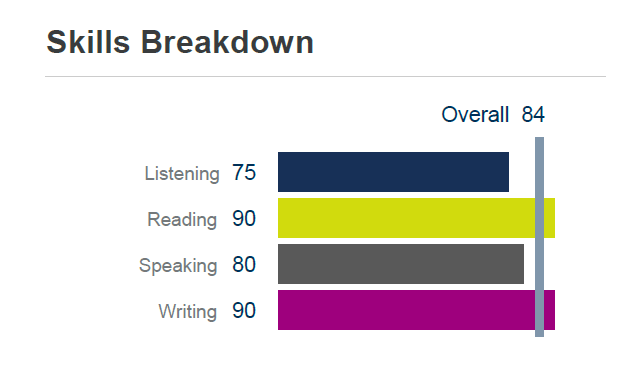
On April 29, 2026, I walked into Pearson Professional Centres in Winnipeg (South) and sat the PTE Core exam. I scored 84 overall — Listening 75, Reading 90, Speaking 80, Writing 90. In Canadian Language Benchmark terms, that translates to CLB 8 in Listening and Speaking, CLB 10 in Reading and Writing, and a CLB 9 overall.
That number means more to me than it might look on paper. To understand why, you have to go back a few years.
Where It Started — CET-6 and IELTS in China
Before I ever set foot in Canada, English was something I studied, not something I lived in.
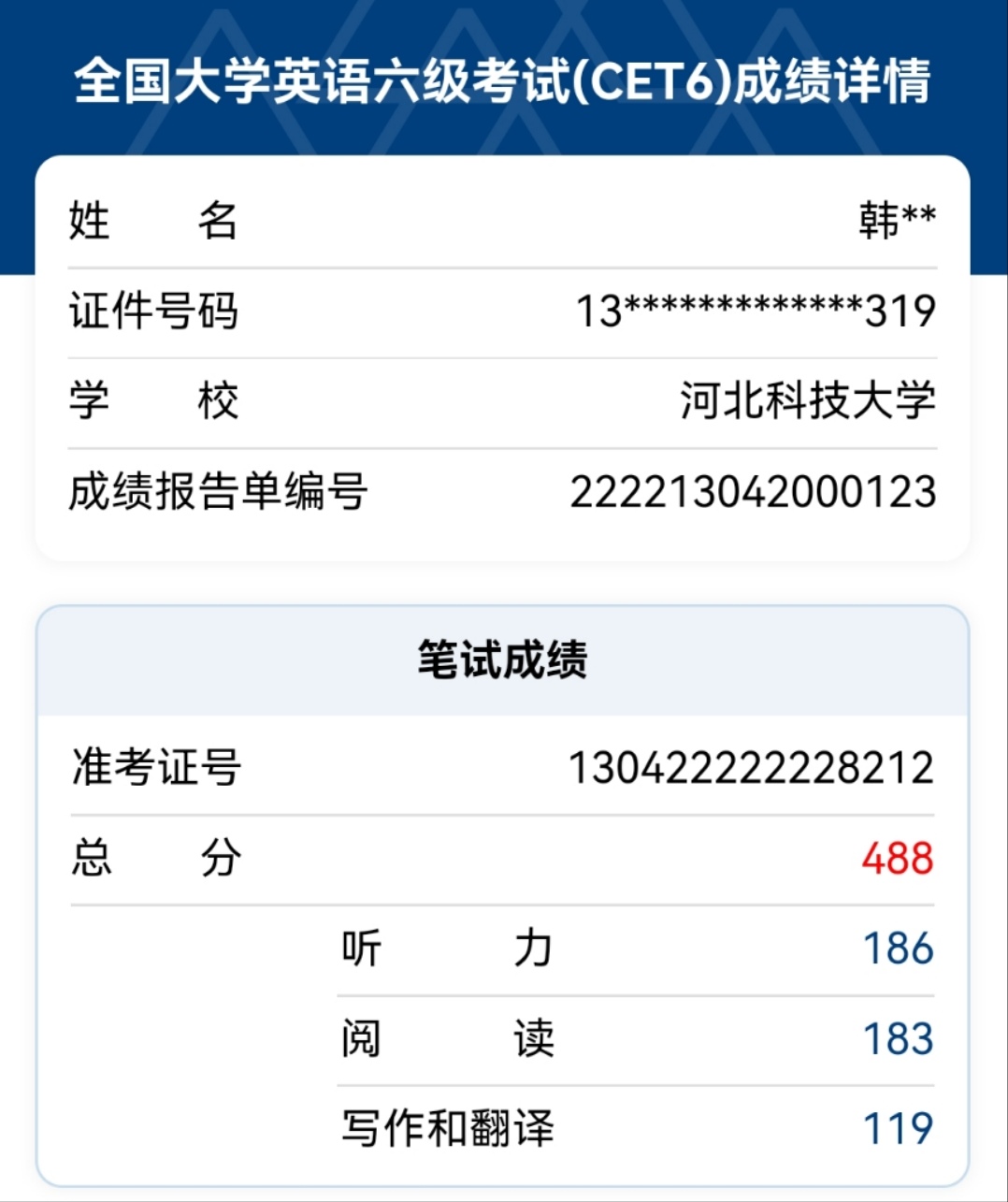
Back in university in China, I sat the CET-6 — the College English Test Band 6, China's national standardized English exam for university students. I passed with a score of 488. It was a solid result. Listening, reading, writing — all tested in a controlled, structured environment. But it was still English as an academic exercise, not as a working language.
Around the same time, I prepared for IELTS Academic — the gateway test for studying abroad. I scored an overall 6.0: Listening 6.5, Reading 6.5, Writing 6.0, Speaking 5.5.
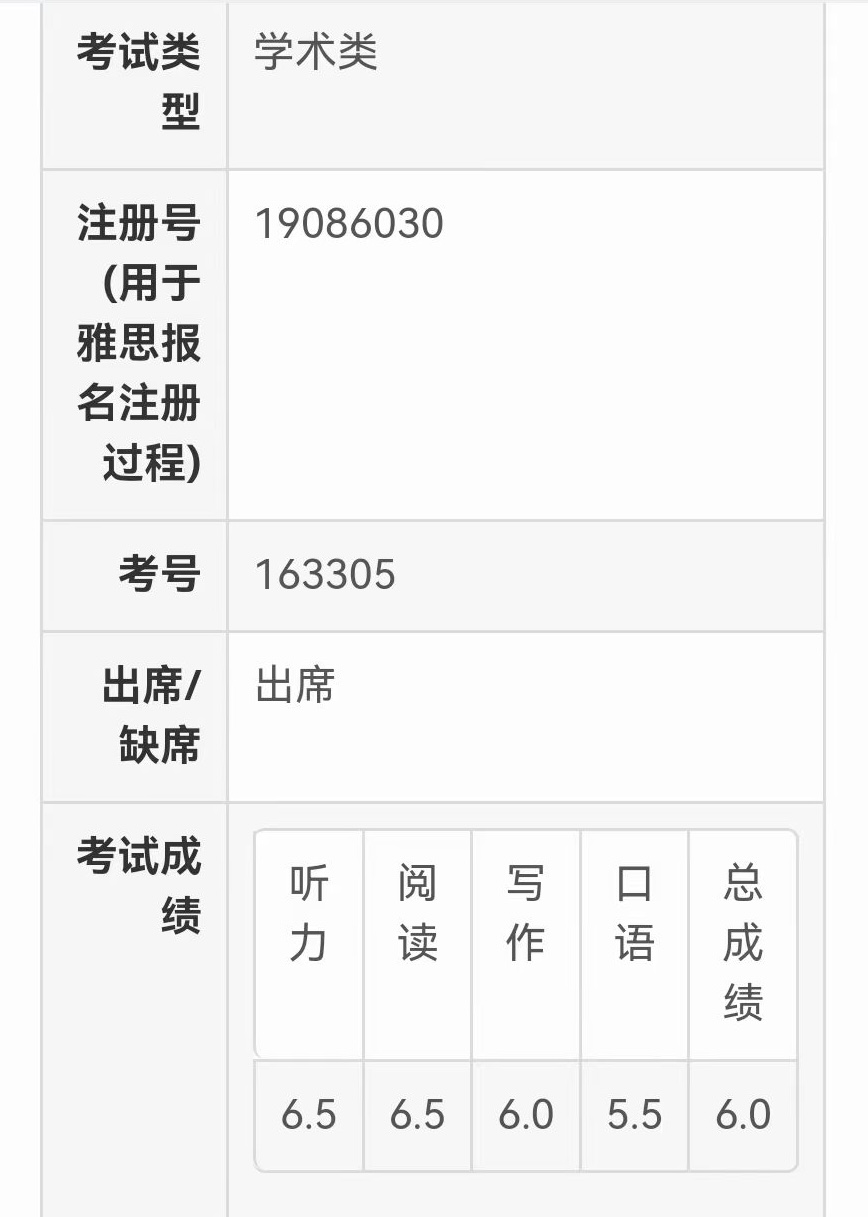
That 5.5 in Speaking stood out — and not just as a personal weakness. RRC Polytech's Information Security program requires a minimum of 6.0 in every band. My Speaking score fell short. Technically, officially, on paper, I did not qualify.
Fortunately, I had a backup plan. Well, not really a plan — more of a fortunate coincidence that I'm choosing to rebrand as foresight. My Bachelor of Information Technology from Federation University Australia, completed entirely in English, was enough to satisfy RRC's language requirement as prior academic study in an English-speaking environment. The admissions office looked at my degree, looked at my IELTS, and apparently decided the degree was more convincing.
Lucky? Absolutely. Would I have gotten in otherwise? Probably not. Am I going to dwell on that? Also no — because here we are. So I packed up and came to Canada.
Two Years in Canada — The Real Test
No language course prepares you for the real thing.
At RRC Polytech, every lecture, every lab report, every team presentation, every client meeting during my industry capstone project was in English. I was writing technical documentation, presenting to stakeholders, collaborating with classmates from different backgrounds, and explaining security concepts to non-technical audiences — all in English, every day.
That kind of immersion doesn't show up in a score. But it builds something that no exam prep can replicate: the instinct to think in the language, not translate into it.
By the time I decided to sit PTE Core in April 2026, I wasn't starting from zero. Two years had already done most of the work.
Two Weeks of Preparation — What I Used
With the exam booked, I had about two weeks to get exam-ready. PTE Core has its own format and question types that reward specific strategies, so raw English ability isn't quite enough — you need to know the test.
I used Apeuni as my main resource. It breaks down every question type in detail — the scoring logic, timing, and what the AI marker actually looks for. What I focused on:
- Speaking: The read-aloud and repeat-sentence tasks reward clear pronunciation and pacing over perfect accent. Apeuni's scoring simulation helped me calibrate this quickly.
- Writing: The summarize written text task has a strict word limit. Practising this under timed conditions prevented the over-writing trap.
- Reading: Re-order paragraphs and fill-in-the-blanks have patterns. Once you recognize them, they become predictable.
- Listening: My weakest section (75). The highlight incorrect words task in particular was harder than expected — it demands active, word-level attention rather than general comprehension.
If you're preparing for PTE Core, start with Apeuni early and run full timed mocks in the last few days. Don't underestimate Listening.
Scores — Three Years of Progress
Start with Speaking, because that's where the story is. On IELTS three years ago, it was my weakest skill at 5.5 — the band that technically disqualified me from RRC's InfoSec program. On PTE Core, the same skill came in at CLB 8. That jump didn't come from two weeks of exam prep. It came from two years of presenting to classmates, explaining security concepts to non-technical clients, and holding my own in every meeting, lab, and lecture entirely in English. Speaking is the skill that improves last and disappears first — and it only really moves when you actually use the language.
Reading and Writing followed a different trajectory. On IELTS, Reading was 6.5 and Writing was 6.0 — solid, but not remarkable. On PTE Core, both hit CLB 10. Two years of technical reports, security documentation, and written assessments did that quietly in the background, compounding in ways that no flashcard app or mock test could replicate.
Listening went from 6.5 on IELTS to CLB 10 on PTE Core. Still my weakest section, still something I'd want to push further — but comfortably above where I need to be.
Overall CLB 9. Three years, two countries, one language. The numbers finally caught up with the reality.
What's Next
With PTE Core done, I'm now preparing my PGWP application. Once that clears, the goal is straightforward: land a role in the Winnipeg IT industry, ideally in cybersecurity or infrastructure.
The past two years built the technical foundation — Security+, Network+, penetration testing, enterprise network design, digital forensics, and a full industry capstone project. The language test is checked. The credentials are there.
From a 5.5 in Speaking in a Chinese exam hall to CLB 9 overall in Winnipeg — the journey has been longer than two weeks. But that's kind of the point.
If you're an international student on a similar path, feel free to reach out.